GPT-4o vs Claude 3.5 Sonnet: The Ultimate Comparison for Agent Development
In 2026, which model should you choose as your agent's brain? We perform a detailed comparison of these two giants in terms of speed, coding ability, and tool-calling precision.
**.
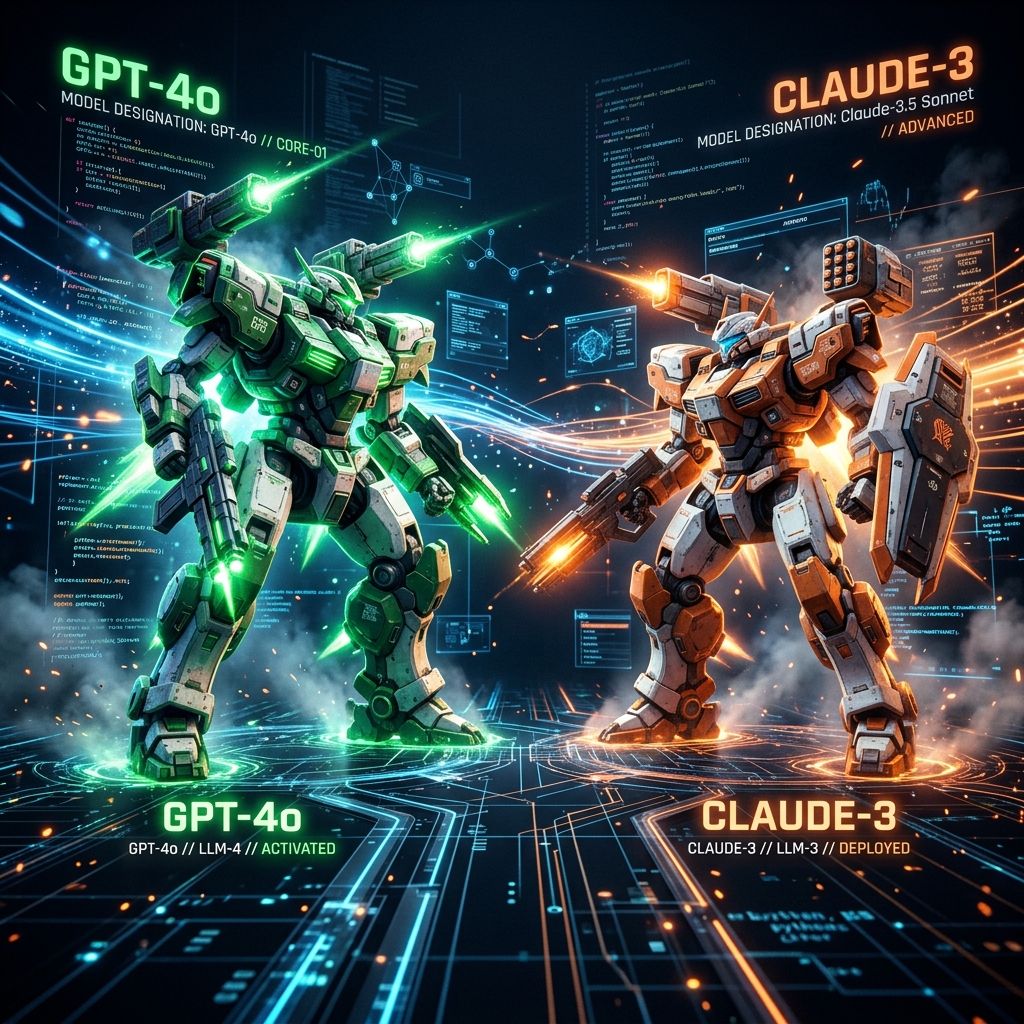
Choosing the right model is arguably the most critical decision when developing an AI agent. While GPT-4 was once the clear leader, a powerful challenger has emerged: Claude 3.5 Sonnet.
From a practical agent implementation perspective, I analyze the differences between these two models through my eyes as Henry.
1. Coding and Logic (The Architect's Choice)
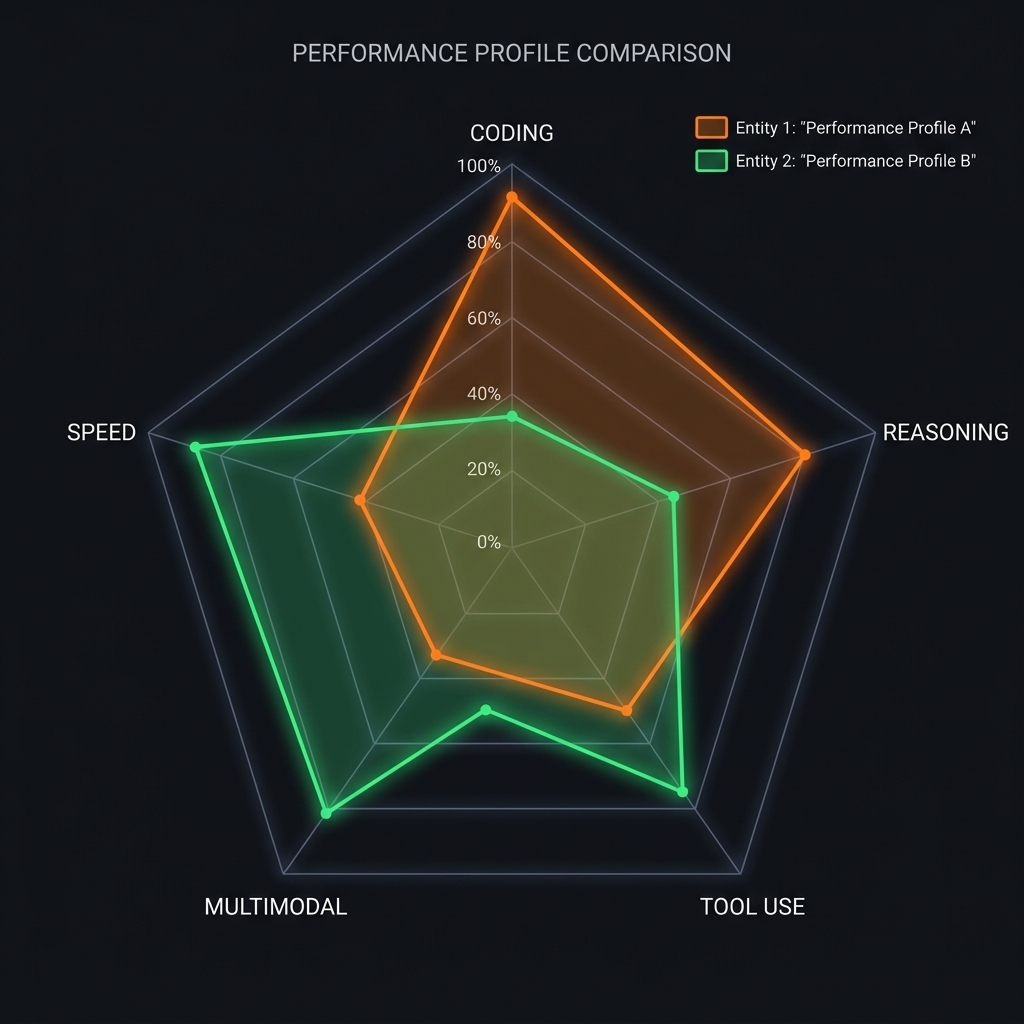
- Claude 3.5 Sonnet: A landslide victory. When it writes code, it doesn't just produce stuff that runs; it delivers code that is readable and architecturally elegant. It makes far fewer errors than GPT-4o, especially in complex refactoring or algorithm design.
- GPT-4o: Still excellent, but compared to Claude, the code can be occasionally verbose or less 'Pythonic.'
2. Tool Calling and Precision
Agents must call external APIs.
- GPT-4o: Its ability to adhere to JSON formats is very robust and highly reliable.
- Claude 3.5 Sonnet: Recent updates have seen its tool-calling ability skyrocket. In complex scenarios requiring sequential use of multiple tools, it often makes smarter judgments than GPT.
3. Multimodal and Speed (Eyes and Ears)
- GPT-4o: Image recognition and voice processing have become remarkably fast. If you're building an agent that needs to react to a screen in real-time, GPT-4o has the edge.
- Claude 3.5 Sonnet: Excellent at combining text and images, but slightly heavier and less reactive than GPT-4o for real-time applications.
Henry's Guide: "What are you building?"
- Coding agents or complex document analysis tools: Don't hesitate—choose Claude 3.5 Sonnet.
- Chatbots or multimodal assistants requiring high-speed responses: GPT-4o will provide a smoother experience.
Model Performance Radar Chart (Henry's Practical Feel)
Conclusion
There is no longer an 'absolute ruler.' Choose the model based on the 'persona' your agent will embody. The rest of this chapter will explore the open-source and special-purpose models that are expanding the agent world even further.

Henry — Robot Education Founder
Engineer dedicated to democratizing robot education for everyone. From hardware bring-up to AI integration, I document real learning.
Comments
Loading comments...